Trails 2035 Strategic Plan
Mount Diablo Trails Alliance (MDTA) is proud to announce our inaugural strategic plan Trails 2035 - an ambitious, community-focused initiative designed to achieve Better Trails | Greater Access for all trail user groups at Mount Diablo State Park.
Focusing solely on iconic Mount Diablo State Park, Trails 2035 aims to achieve four stewardship and access goals (ranked below in highest-to-lowest order based on estimated funding requirements over the next decade):
Propose and win an additional 15 miles of singletrack trails for multi-use bike friendly designation through the change-in-use (CIU) process
Propose and support the construction of two ADA (American with Disabilities Act)-compliant, adaptive-friendly trails
Service 50 miles of singletrack trails through trail maintenance events (Dig Days)
Launch Responsible Recreation education program and advocacy
A deeper dive into the first three Better Trails | Greater Access goals and their related action plans and mapping can be found after the below fundraising and CIU Tracker sections.
To be successful, Trails 2035 requires a vital fundraising campaign powered by charitable donations from people like you.
Trails 2035 goals are based on fulfilling the policy recommendations of the 2016 Road and Trail Management Plan (RTMP) for Mount Diablo State Park.
The 2016 RTMP was a stakeholder-driven mandate for change to better address evolving trail user needs, including greater trail access opportunities for off-road cyclists and persons with disabilities or accessibility challenges.
Unfortunately, the trail network at Mount Diablo State Park has not kept pace with evolving trail user needs over the past 10 years since the approval of the RTMP.
MDTA’s Trails 2035 aims to be part of the solution over the next decade., spearheading the implementation of the RTMP helping Mount Diablo State Park become that beacon for balancing conservation and recreation.
Why is fundraising integral to the success of Trails 2035? Since our October 2023 founding, MDTA has been able to build and lead the Shared Stewardship model at Mount Diablo State Park on a small operating budget and with a 100% volunteer-powered board.
The MDTA board will remain volunteer-based, but dedicated, sustained fundraising is required to achieve the important stewardship and access goals of Trails 2035 in order to drive meaningful, lasting change for more state park visitors.
Your Charitable Donations Will support …
Trails 2035 will not succeed without community funding, especially given the costs associated with CIU-based trail projects, ADA-compliant, adaptive-friendly trail construction projects, and trail maintenance projects in sensitive plant species zones.
Project cost examples include:
Rare plant surveys for trail maintenance in sensitive species and also for CIU and new trail construction
CEQA studies (California Environmental Quality Act) for CIU and new trail construction
Construction services and materials for trail modifications or reroutes related to change-in-use (CIU) access gains
Construction services and materials related to the building of ADA-compliant, adaptive-friendly trails
Introducing the CIU Tracker
MDTA is committed to accountability and transparency for every dollar raised.
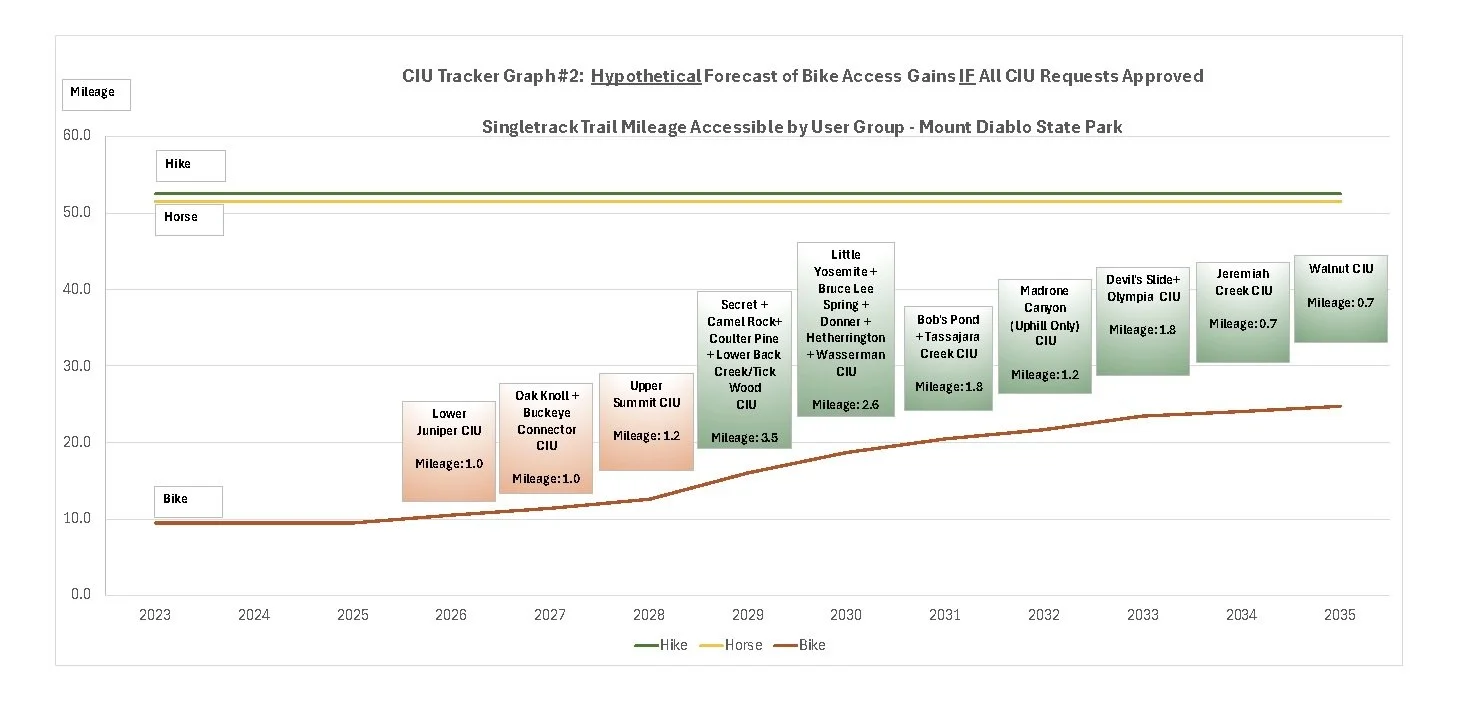
Given that work to achieve CIU-related access gains stands to be the highest cost component of MDTA’s Trails 2035 goal achievement, we have introduced a CIU Tracker to illustrate and ultimately measure how singletrack trail mileage accessible to off-road cyclists at Mount Diablo State Park could improve if all three CIU phases are approved by the year 2035.
The purpose of the CIU Tracker is to hold both California State Parks and Mount Diablo Trails Alliance accountable for reviewing and considering access improvements initially recommended by the stakeholder-driven 2016 RTMP.
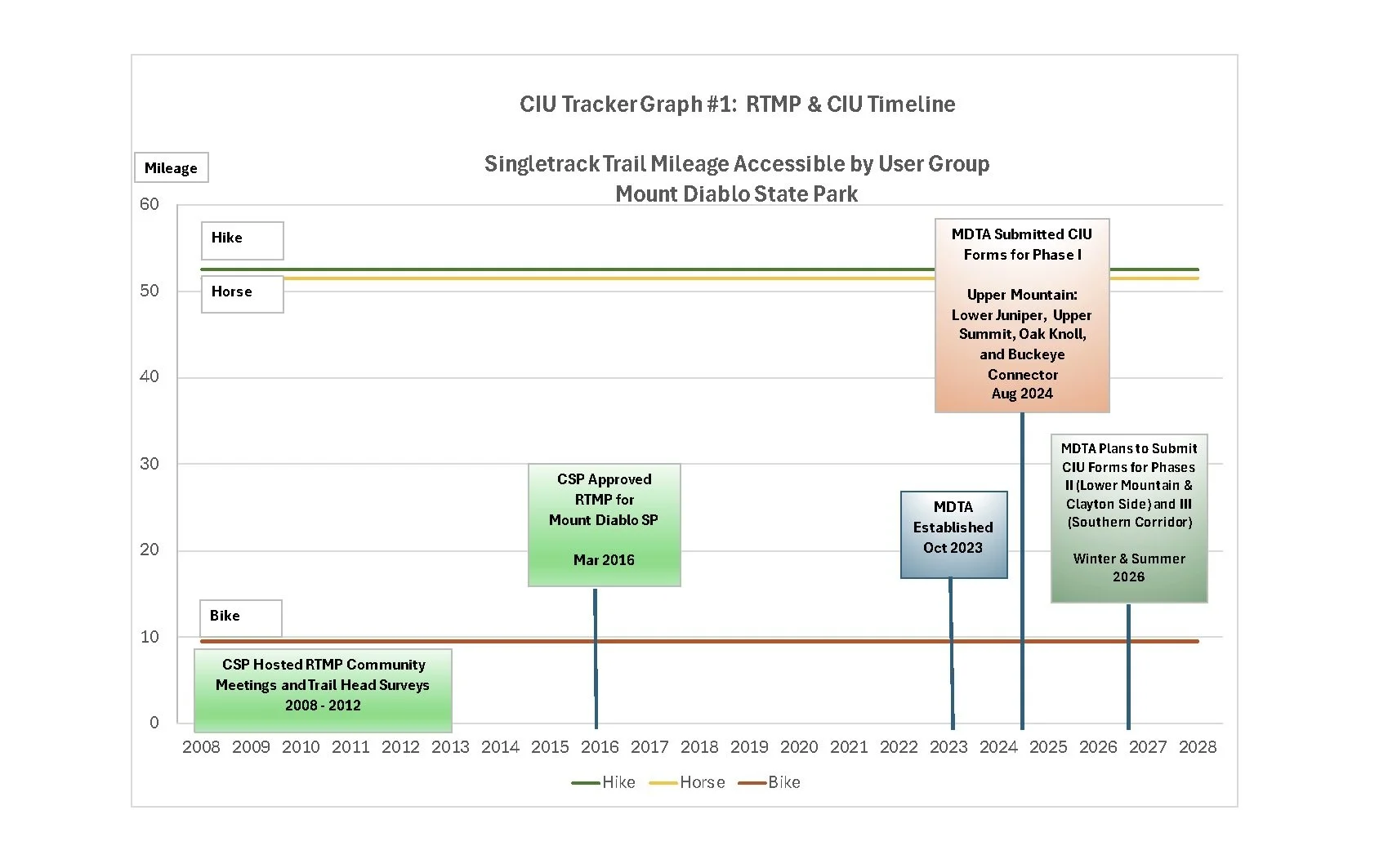
CIU Tracker Graph #1 provides more of a historical timeline and perspective of how much community trust and time were put into the stakeholder-driven development beginning in 2008.
Accountability and Transparency
CIU Tracker Graph #2 provides a hypothetical forecast simulation of how CIU-related access gains for off-road cyclists would keep that user group’s overall access ratio below 50%, while dramatically improving safety conditions and connector and loop options for a large, fast-growing trail user base.
These type of access gains are important to address evolving public access needs of many state park visitors. Trails are common ground, and most trail users regard trail access as providing a safe place for pursuing physical fitness, mental renewal, and other conservation and wildlife viewing interests. It is time to modernize and adapt the trail system to evolving shifts in trail user demographics and engagement profiles.
Better Trails | Greater Access
Improve Access Ratio for Off-Road Cyclists to ~50%
Issue: Off-road cyclists have grown into one of the largest trail user groups, with local youth team participation growing more than 10% each year over the past decade. However, only 9.5 miles or 18% of singletrack trails at Mount Diablo State Park are open to bikes, which can impact both safety conditions and circulation, connector and loop options in the trail network.
Requiring more off-road cyclists to be restricted to steeper, rugged fire roads is not welcoming, as on average the elevation grade percentage of fire roads at Mount Diablo State Park are two times steeper than single track trail elevation grades, as illustrated in the below comparison sheet (see table).
That elevation grade penalty can present accessibility challenges for park visitors with time or physical limitations, including tomorrow’s leaders – the kids.

Trails 2035 Solution
Secure 15 additional miles of singletrack trails for multi-use bike friendly access through the change-in-use (CIU) process.
This goal aims to increase the access ratio of off-road cyclists closer to 50%, which still would remain much lower than the access ratios for hiking/running (100%) and equestrian trail user groups (99.5%).
Action Plan
Secure CIU access gains through three submissions or phases, as illustrated below.
Phase I already was submitted in August 2024 and focused on the 2016 RTMP policy recommendations to get more trail users off of the Upper Mountain’s roadway to improve safety conditions and circulation and connector options.
With planned Phase II and Phase III submissions, MDTA identifies additional CIU opportunities to extend the 2016 RTMP’s goals of improved safety and circulation and connector options to all corridors of Mount Diablo State Park.
Phase I - Upper Mountain
August 2024 - Actual Submission by MDTA
Trails: Lower Juniper Trail, Oak Knoll Trail, Upper Summit Trail, and Buckeye Connector to North Gate Road
Potential CIU access gains: approximately 3.2 miles
Phase II - Lower Mountain and Clayton Side
Winter 2026 - Planned Submission by MDTA
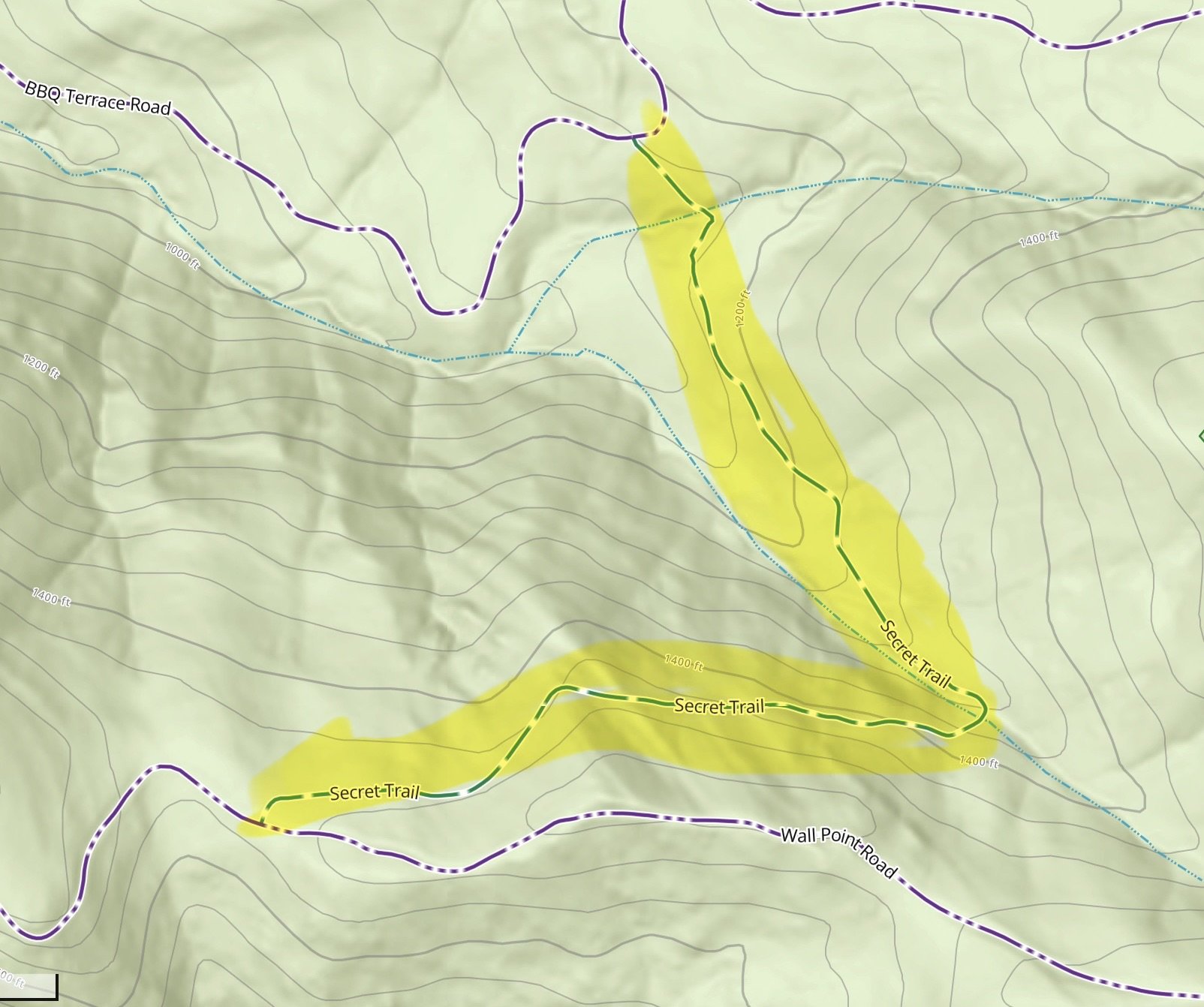
Lower Mountain Trails: Secret Trail, Camel Rock Trail, and Little Yosemite
Potential CIU access gains: approximately 3.0 miles
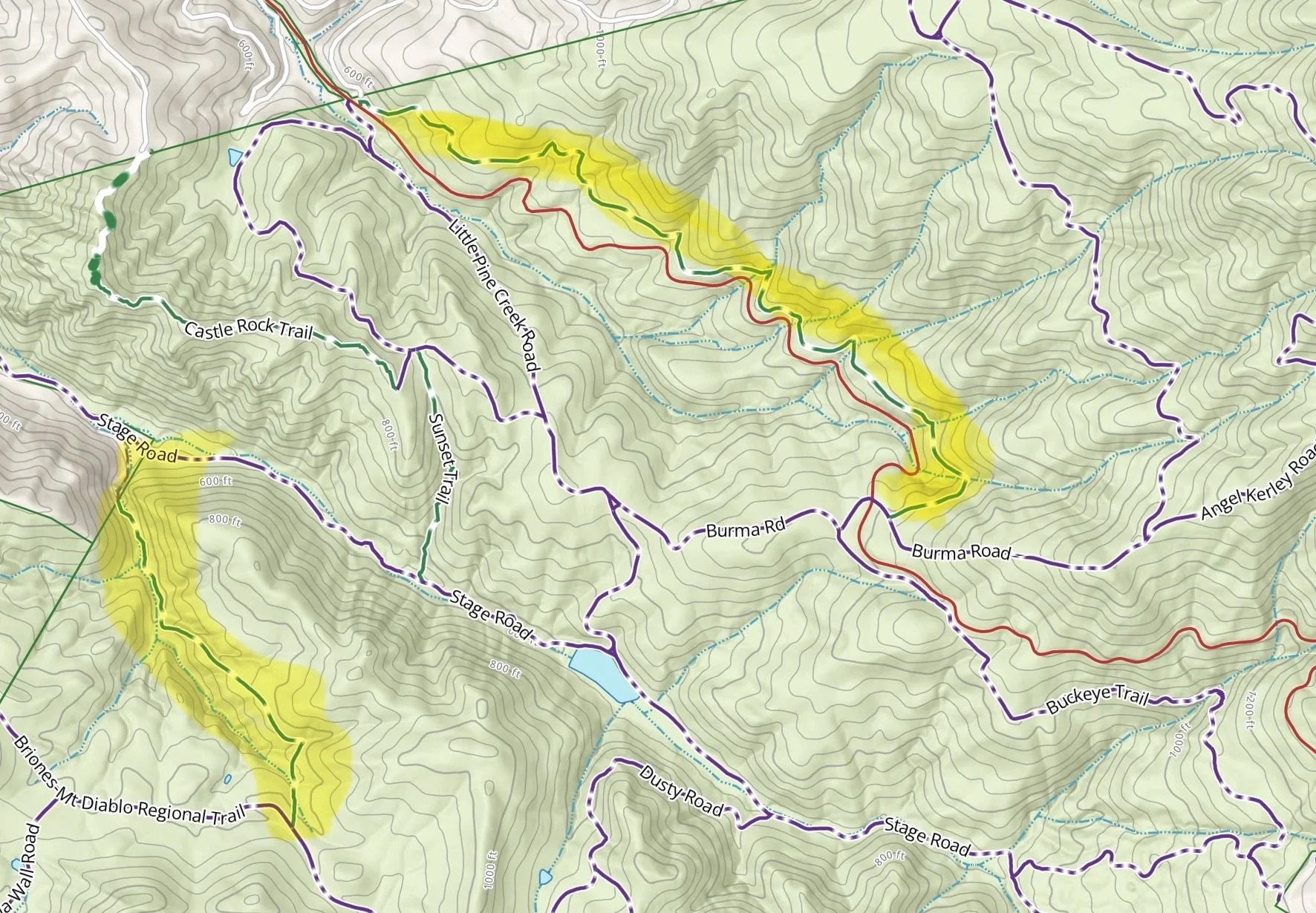
Clayton Side Trails: Coulter Pine, Lower Back Creek/Tick Wood, Bruce Lee Spring, Donner, Wasserman, Hetherrington, and Olympia
Potential CIU access gains: approximately 4.4 miles
Phase III - Southern Corridor
Summer 2026 - Planned Submission by MDTA
Trails: Bob's Pond + Tassajara Creek, Madrone Canyon Trail (uphill only), Jeremiah Creek Trail, Walnut Trail, and Devil's Slide
Potential CIU access gains: approximately 4.8 miles
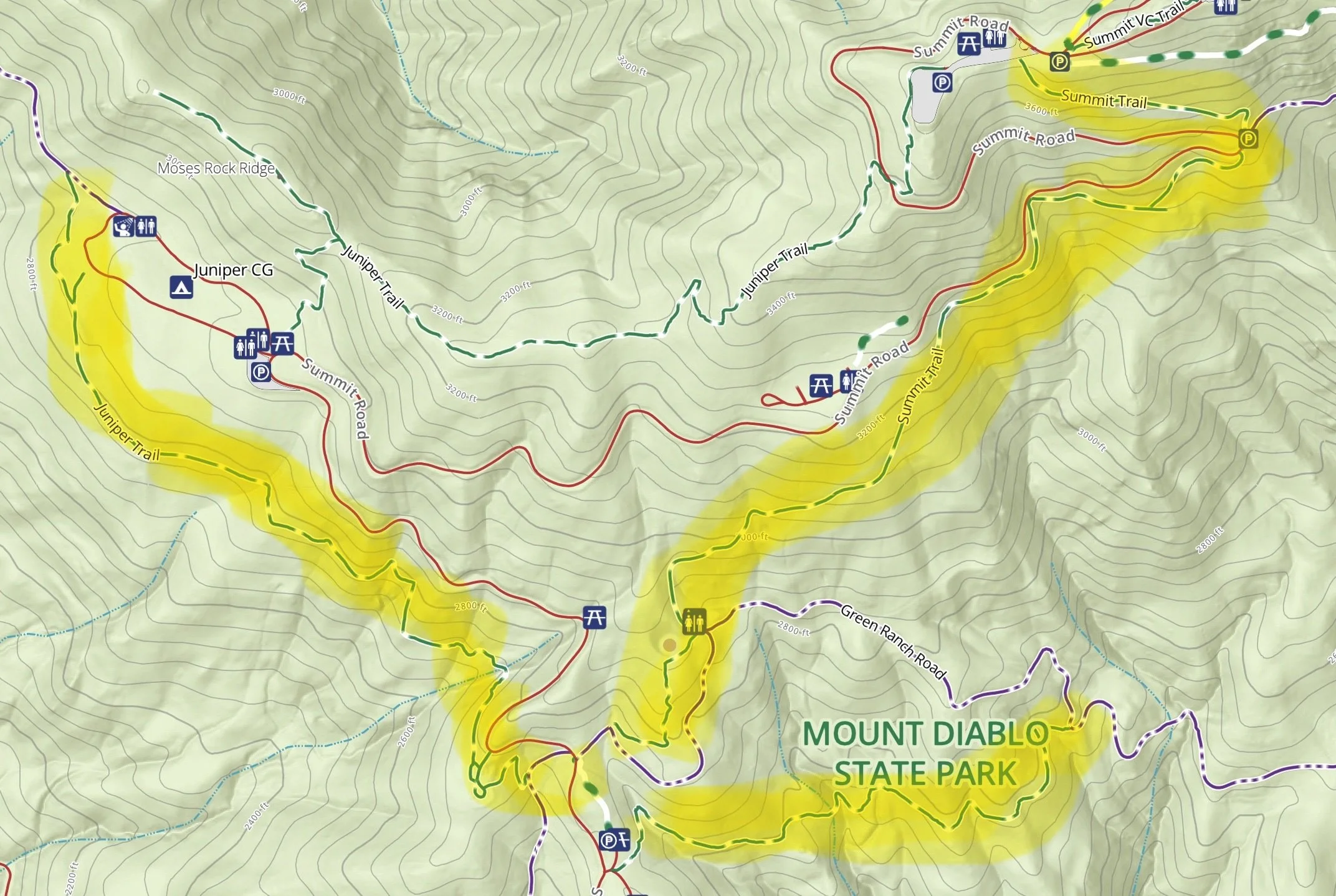
Phase I - CIU Trail Mapping
Trails: Lower Juniper, Upper Summit and Oak Knoll
Map source: All maps presented herein for Phase I, Phase II and Phase III are based on Mount Diablo State Park ARCGIS
Phase II - CIU Trail Mapping
Little Yosemite and Camel Rock Trails (Lower Mountain)
Secret Trail (Lower Mountain)
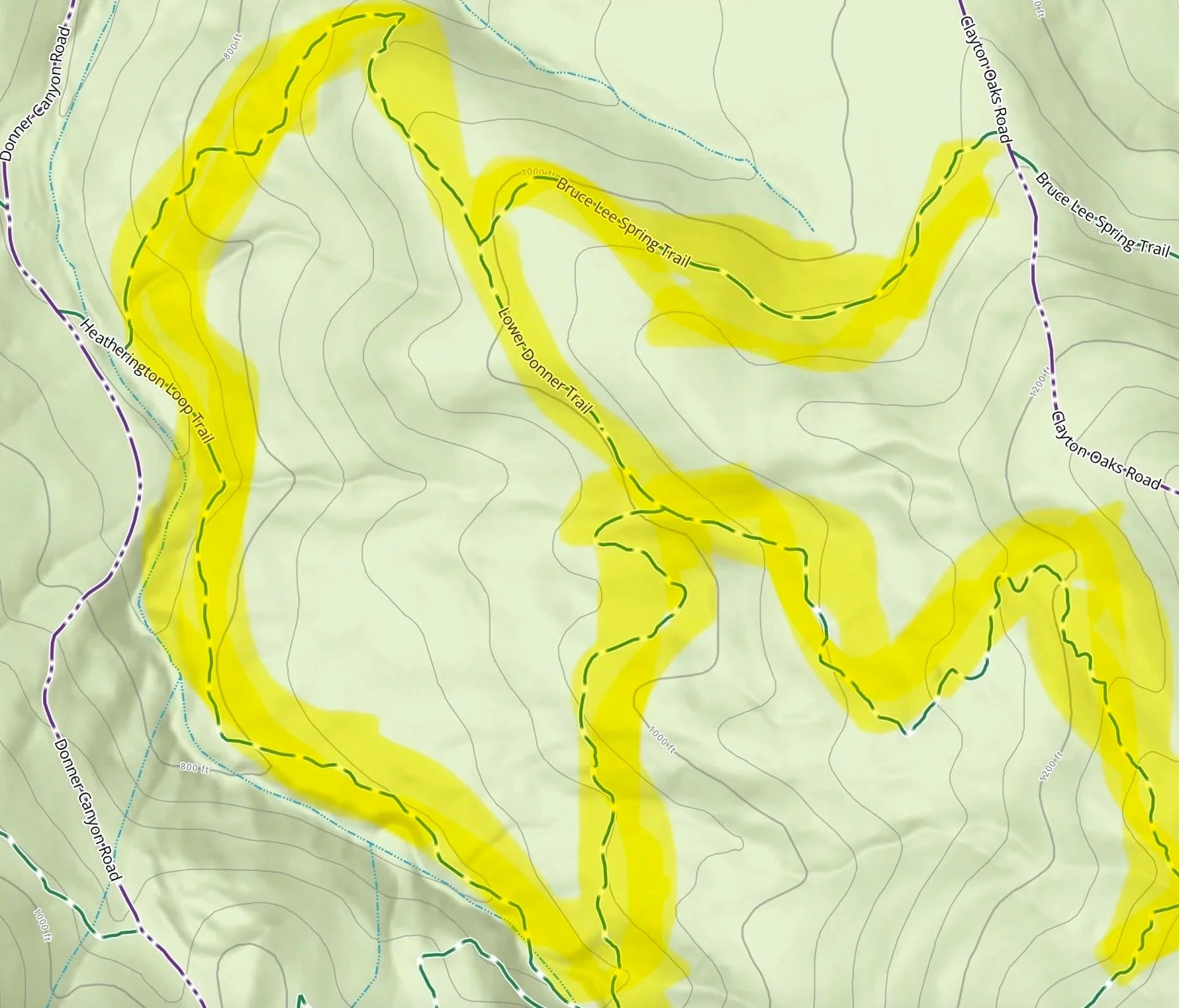
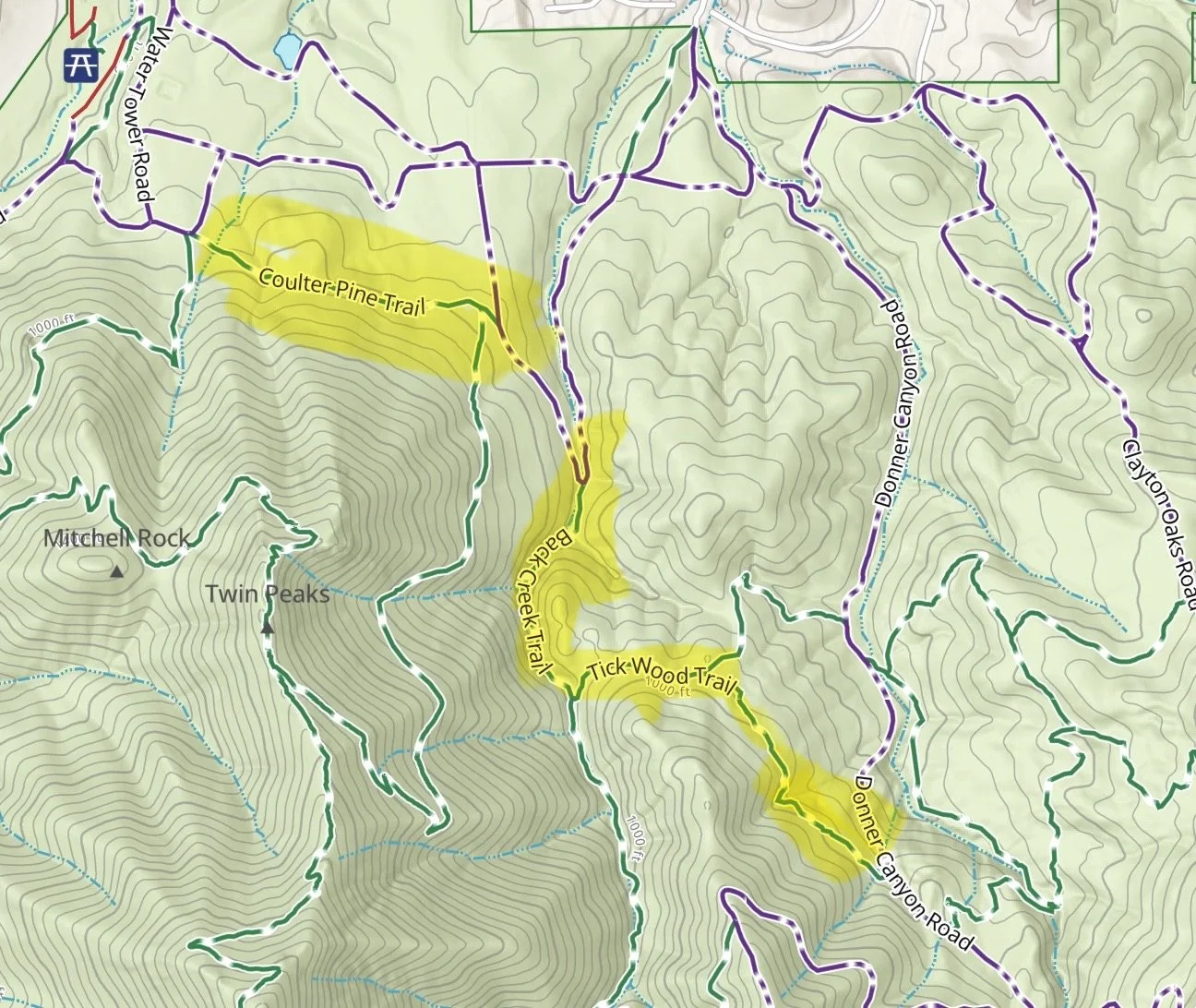
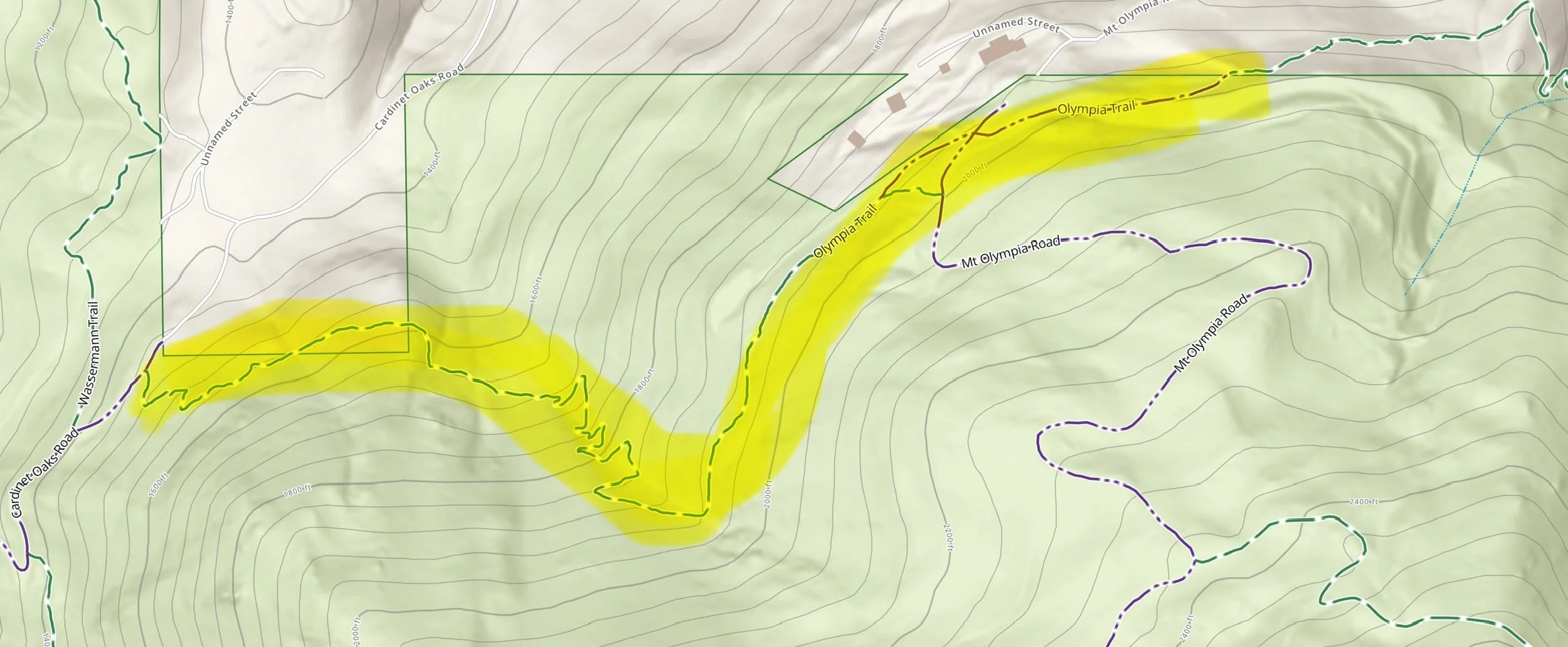
Olympia Trail (Clayton Side)
Coulter Pine and Tick Wood Trails (Clayton Side)
Bruce Lee Spring, Donner, Wasserman, and Hetherrington Trails (Clayton Side)
Phase III - CIU Trail Mapping
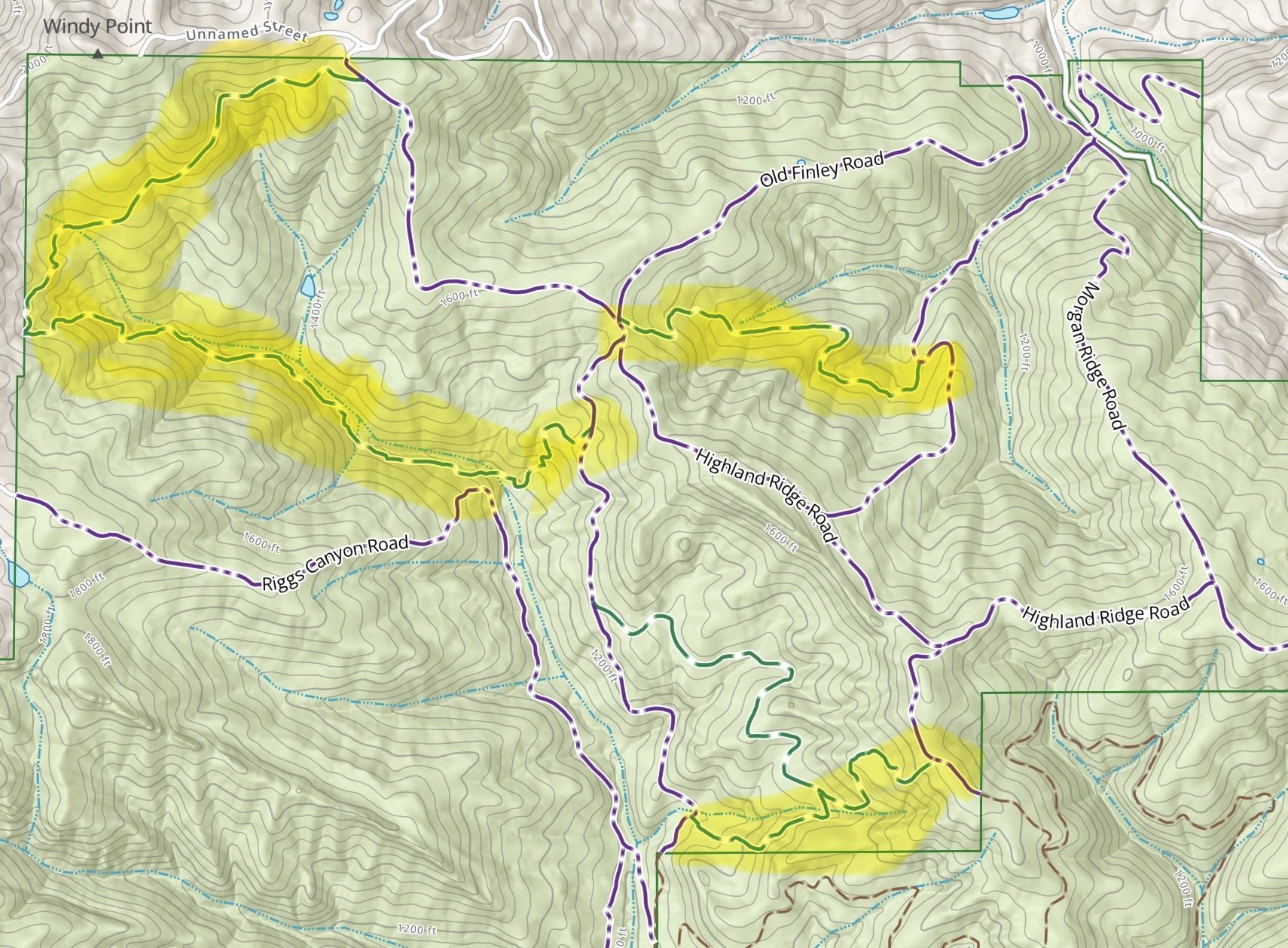
Bob’s Pond, Tassajara Creek, Jeremiah and Walnut Trails
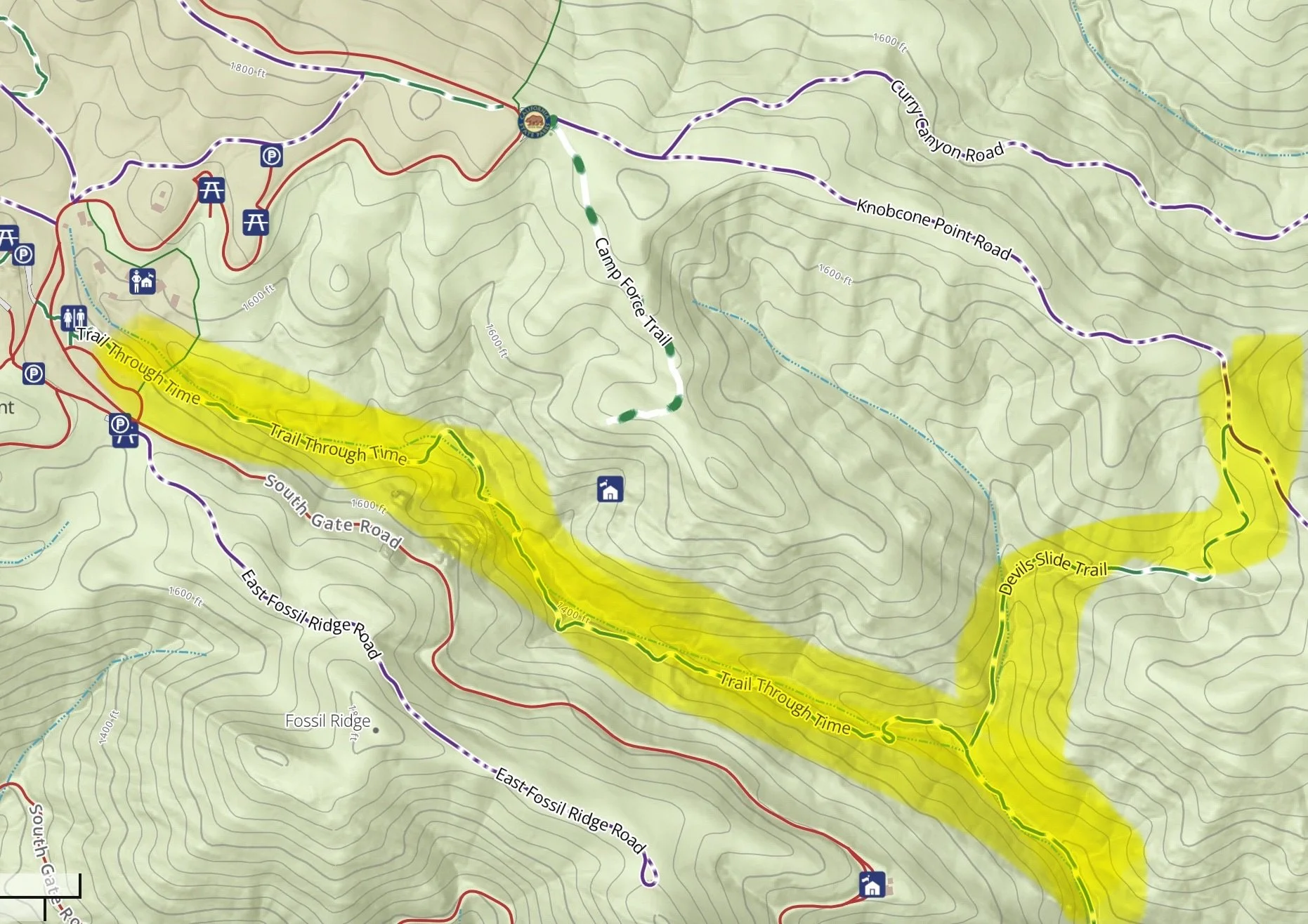
Madrone (Trail through Time) and Devils Slide Trails

Expand Accessibility with ADA-Compliant Trails
Issue
Mount Diablo State Park lacks ADA-compliant trails. Currently, only a small portion of the Mary Bowerman Trail at the summit meets accessibility standards. Out of 52.5 miles of singletrack trails at Mount Diablo, less than 1 mile is ADA compliant.
Trails 2035 Solution
Raise funds to pay for environmental compliance studies, route design, and new construction services and materials to build two ADA-compliant trails.
Action Plan
One potential trail would be on the upper mountain (Muir Day Use Area) and the other one on the middle mountain (Camp Force Trail).
Both ADA-compliant trails are policy recommendations in the 2016 RTMP. It is time to implement these long overdue accessibility improvements.
Refer to Mount Diablo State Park ARCGIS-based maps in the next section for orange highlights of potential trail locations.
ADA-Compliant, Adaptive-Friendly Trail Mapping
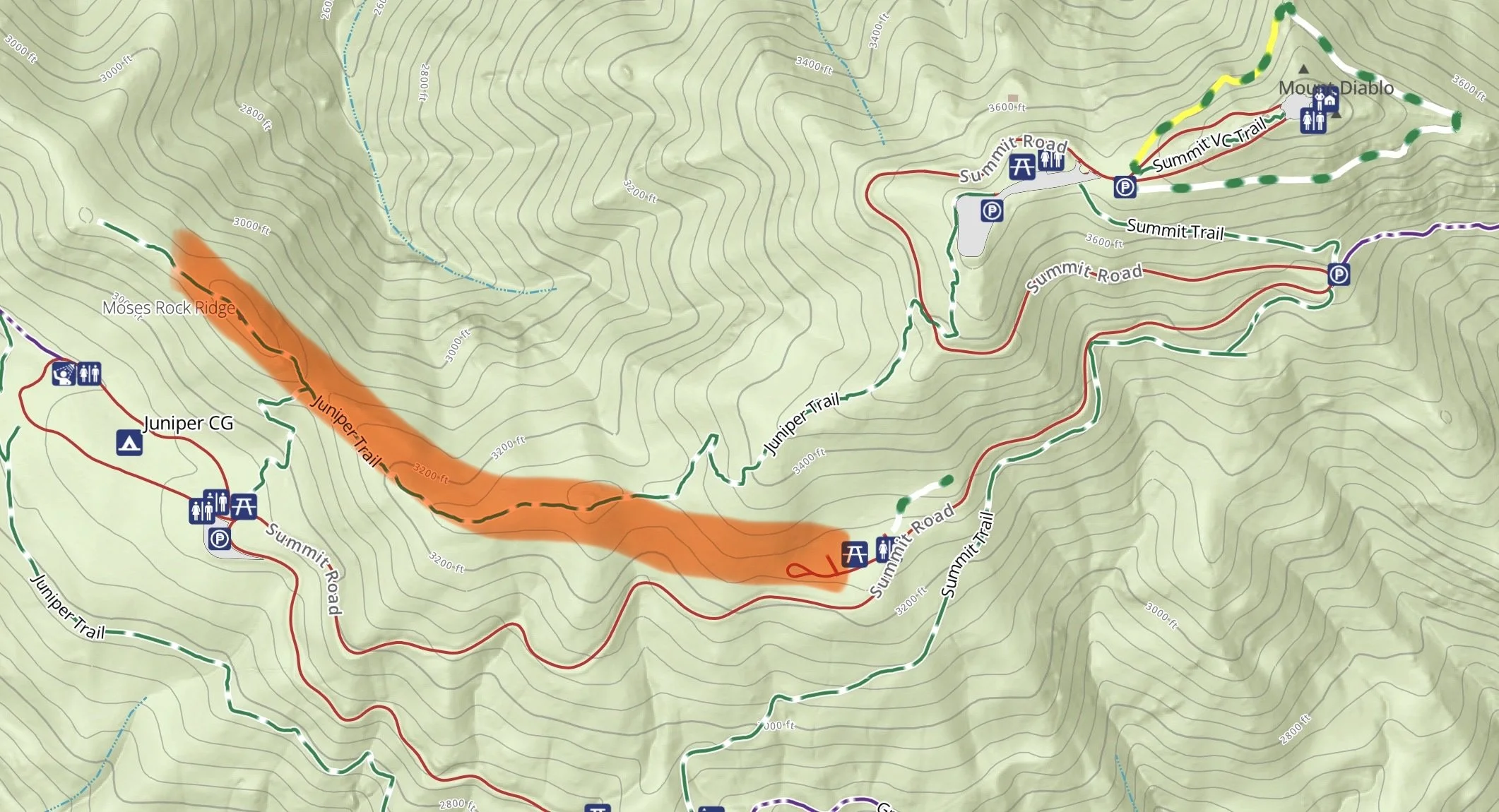
Muir Day Use Area
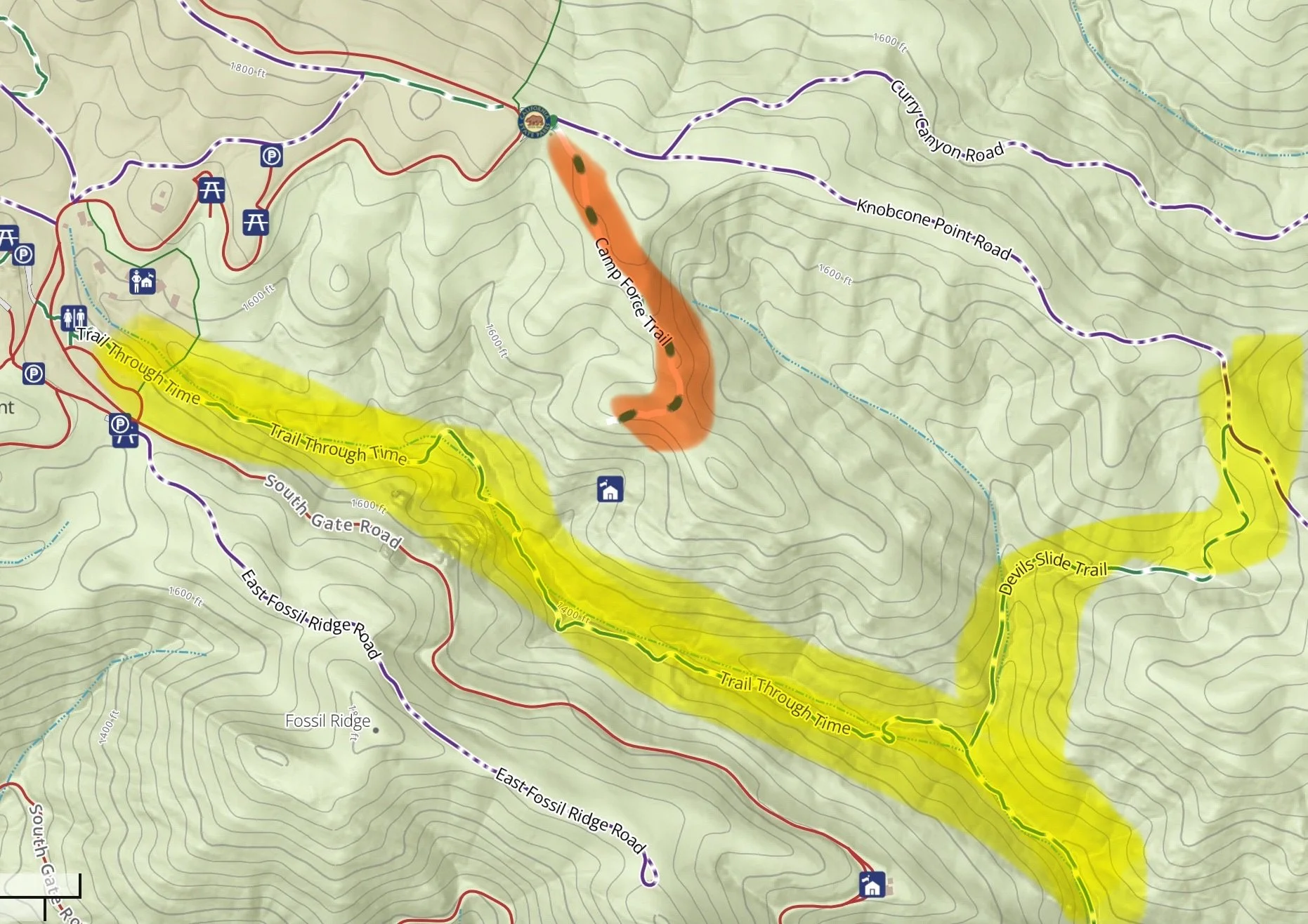
Camp Force Trail
Rare Plant Surveys in Sensitive Areas
Issue
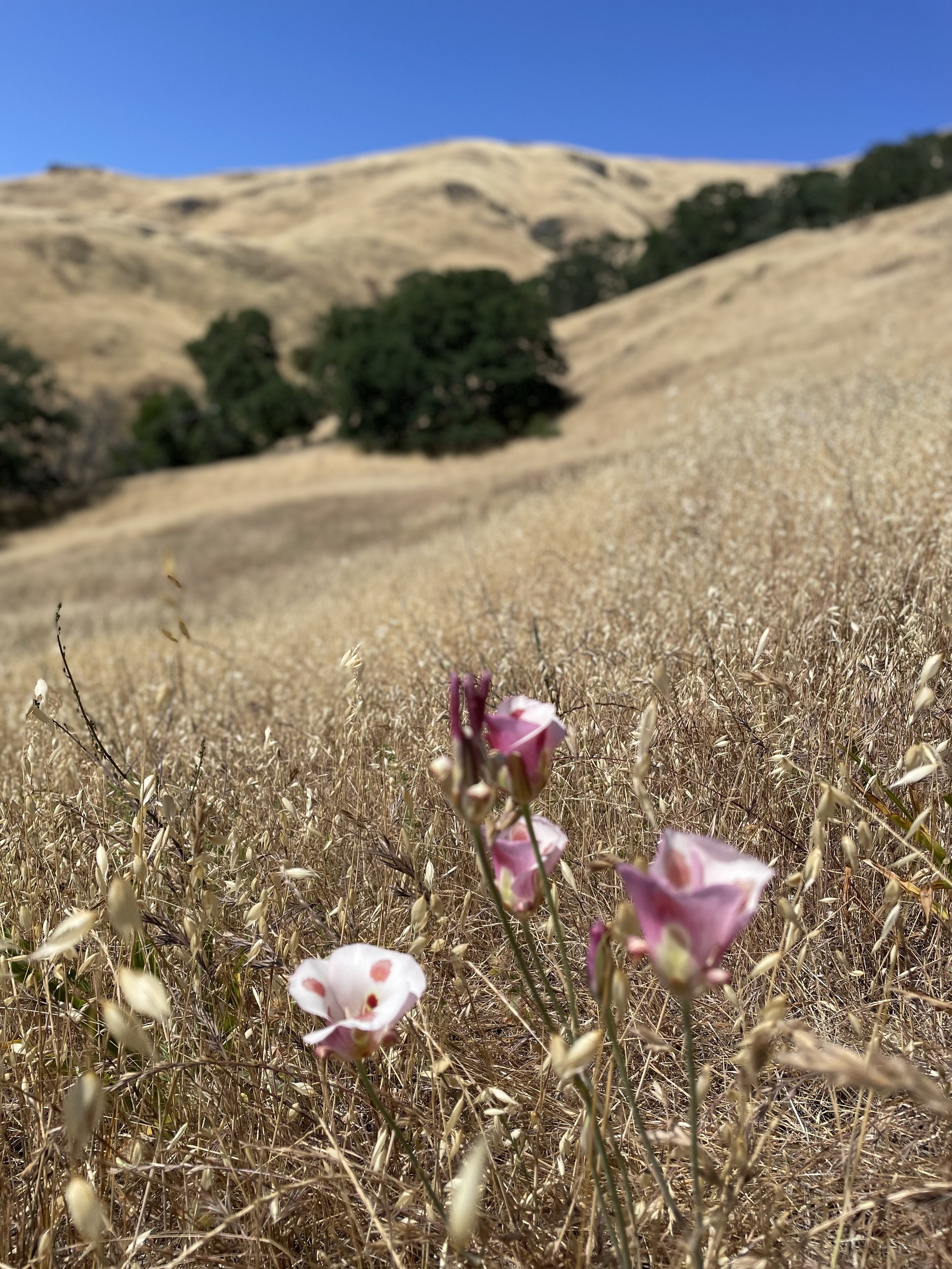
Mount Diablo State Park is home to many rare plants. While trail maintenance and recreational interests are important, sound conservation-based protective measures of the park’s ecological and cultural resources are as well.
There are a host of trails (e.g., Bald Ridge, Eagle Peak, North Peak) requiring rare plant surveys before trail maintenance can occur as part of the successful Dig Day program.
Since October 2023 inception, more than 20 Dig Days have serviced 11 miles of trail tread with the help of nearly 1,000 community volunteers! To continue that momentum and service other areas of the state park, rare plant surveys will have to occur first.
Trails 2035 Solution
Raise funds to pay for rare plant surveys to ensure that trails can be maintained by Dig Day events without damaging rare flora and fauna, especially on trails above 2,500 feet elevation.
Action Plan
The goal is to raise funds now!! That way, rare plant surveys can commence in Spring 2026, ensuring trail maintenance projects can be held on Bald Ridge, Eagle Peak and North Peak trails sometime in 2027 or 2028.